
Why the Right Painting Transforms a Room
Choosing paintings for your home is one of the most personal decisions in interior design — and one of the most impactful. A well-chosen piece of art does more than fill empty wall space. It anchors the mood of a room, draws the eye, and reveals something about the people who live there. Unlike furniture, which serves a practical function first, a painting exists purely to create feeling. That's what makes it so powerful.
Yet many homeowners find the process intimidating. How large should the piece be? Does the color need to match the sofa? Should you go abstract or traditional? The truth is there are no rigid rules — but there are principles that help you make confident choices. Whether you're selecting a single statement piece for above the fireplace or curating a gallery wall in the hallway, the guidelines below will help you find art that feels right in your space and right for you.
How to Choose the Right Size and Scale for Wall Art
Scale is the single most common mistake people make with wall art. A painting that's too small for the wall looks like an afterthought — lost and insignificant. When in doubt, go larger than you think you need.
Practical sizing guidelines:
- Above a sofa or console: The painting (or grouping) should span roughly two-thirds to three-quarters the width of the furniture below it. A 90-inch sofa, for example, calls for art that's around 60 to 68 inches wide.
- Above a fireplace: Match the width of the mantel or slightly narrower. The bottom edge of the frame should sit 4 to 8 inches above the mantel.
- On an open wall: A large-scale piece — 40 inches or wider — commands attention and prevents the wall from feeling bare. A single oversized painting often looks more intentional than a cluster of small frames.
- In a hallway or narrow space: Vertical formats work best here, drawing the eye upward and making the space feel taller.
Before buying, cut a piece of kraft paper to the dimensions of the painting and tape it to the wall. Live with it for a day or two. You'll know immediately whether the scale feels right.
Matching Paintings to Your Room's Color Palette
Color is where art and interior design meet most directly. The right painting can tie together disparate elements in a room — pulling a thread of teal from your throw pillows through a brushstroke in the canvas, for instance, or echoing the warm gold tones in your lighting fixtures.
Three approaches to color:
- Complementary: Choose art that picks up two or three colors already present in the room. This creates harmony and makes the space feel considered. It doesn't need to match exactly — a painting with soft blues and warm neutrals can tie together a navy sofa and cream walls beautifully.
- Contrast: If your room is mostly neutral — whites, grays, beige — a bold, colorful painting becomes the focal point. This is a powerful strategy in minimalist interiors where one vivid piece carries the entire palette.
- Tonal: Select art in the same tonal family as the room. A muted landscape in sage and stone against a warm gray wall creates a serene, layered effect that feels effortlessly sophisticated.
One important note: never choose a painting solely because it matches the decor. Art that you genuinely connect with will always look better in your home than something picked to coordinate with the curtains.
Choosing a Style: Abstract, Traditional, or Contemporary
The style of painting you choose should reflect both your personal taste and the character of the room. There's no wrong answer, but understanding the broad categories helps narrow the search.
Abstract art works well in modern and transitional interiors. Its lack of literal subject matter means it plays nicely with almost any furniture style, and it invites interpretation — a conversation starter in any living room. Look for pieces with visible brushwork, layered texture, and a sense of movement.
Traditional and classical paintings — landscapes, still lifes, portraiture — bring warmth and gravitas to a space. They pair naturally with antique furniture and rich materials like velvet and dark wood. In a contemporary room, a single classical piece creates a striking contrast that adds depth and personality.
Contemporary and modern art covers a wide range, from bold graphic compositions to photorealistic work. These pieces tend to feel current and energetic, making them a strong choice for living rooms and dining spaces where you want visual excitement.
Photography and mixed media shouldn't be overlooked either. A large-format black-and-white photograph or a textured mixed-media piece can carry just as much presence as a painted canvas.
"The best rooms have art that surprises you a little — something that doesn't match perfectly but feels completely right."
Don't feel locked into one style. Some of the most compelling interiors we've designed at Joel's feature a mix — an abstract painting above a traditional sideboard, or a classical landscape in a sleek modern frame. The tension between styles creates visual interest.
Where to Hang Paintings for Maximum Impact
Placement matters as much as the piece itself. A beautiful painting hung at the wrong height or in the wrong spot loses its effect.
Height guidelines:
- Center at eye level — the middle of the painting should sit at approximately 57 to 60 inches from the floor. This is the gallery standard and works in most settings.
- Above furniture — when hanging above a sofa, bed, or console, leave 6 to 12 inches between the top of the furniture and the bottom of the frame. This connects the art to the furniture below rather than floating it in space.
- In a stairway — follow the angle of the stairs, keeping each piece centered at eye level as you ascend.
Placement strategies:
- The focal wall — every room has one wall your eye is drawn to naturally, often the one facing the entrance. This is where your most important piece should go.
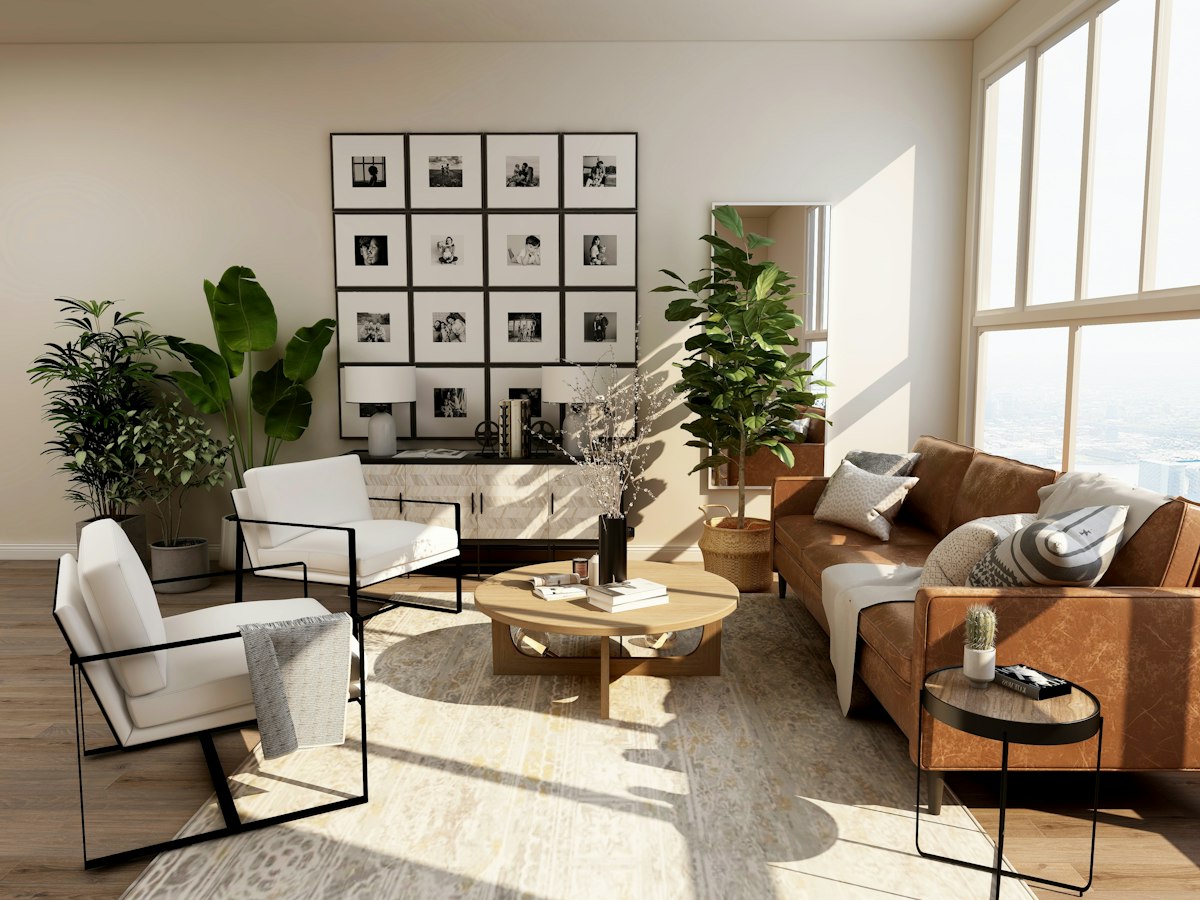
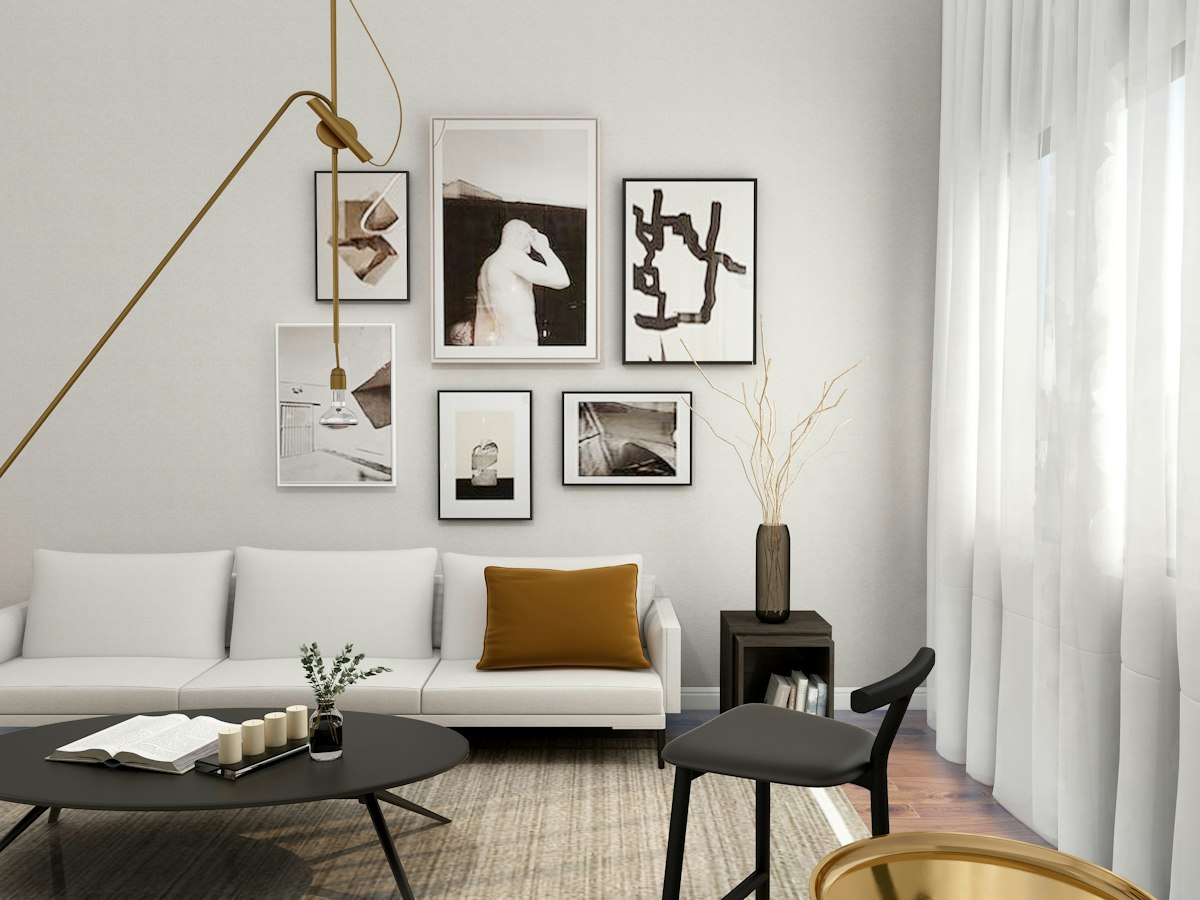
- Gallery walls — a curated arrangement of multiple pieces works beautifully in hallways, living rooms, and above staircases. Keep consistent spacing between frames (2 to 3 inches) and unify the collection with a common element — matching frame color, similar subject matter, or a shared color palette.
- Unexpected spots — don't overlook the space above a doorway, inside a bookshelf, or leaning against a wall on a mantel or console. Leaned art has a relaxed, collected quality that feels less formal than a traditionally hung piece.
Building a Collection Over Time
You don't need to fill every wall at once. In fact, the most interesting art collections in homes are built gradually — a piece discovered during travel, a print from a local artist, a painting that caught your eye at a gallery opening.
Tips for building thoughtfully:
- Start with one anchor piece — find one painting you genuinely love and build outward from there. Let it set the tone for the room's palette and mood.
- Support local artists — original work from local painters and printmakers adds character that mass-produced prints can't replicate. Many artists offer commissions, allowing you to collaborate on size, palette, and subject matter.
- Mix price points — a collection doesn't need to be all investment-grade originals. Pair an original painting with high-quality art prints, vintage finds, or your own photography. The variety adds personality.
- Rotate seasonally — if you accumulate more art than wall space (a wonderful problem to have), rotate pieces with the seasons. A warm, richly colored landscape feels right in autumn; a bright, airy abstract suits summer.
- Frame with intention — the frame is part of the presentation. Simple, clean frames in natural wood or matte black work in most settings. Ornate frames suit classical pieces. Float-mounting a canvas without a frame creates a modern gallery feel.
Let Your Walls Tell Your Story
Choosing paintings for your home isn't about following trends or matching swatches — it's about surrounding yourself with images that resonate. The right piece makes you pause every time you walk past it. It sparks a memory, a mood, or simply a quiet moment of appreciation.
At Joel's, we believe that a beautifully furnished room deserves art that completes it. Our home decor collection includes paintings and decorative pieces selected for their craftsmanship and character — the kind of art that feels at home in spaces designed with care. If you're looking for guidance on selecting the perfect piece, our design team is always happy to help. Get in touch and let's make your walls part of the story.