What Is Layered Lighting and Why Does It Matter?
A single overhead fixture might illuminate your living room, but it won't bring it to life. Layered lighting in your living room is the design principle of combining multiple light sources at different levels and intensities to create a space that feels warm, functional, and visually interesting. Instead of relying on one source to do everything, you use three distinct types of lighting — ambient, task, and accent — that work together to shape the mood and usability of the room.
Think of it the way a photographer thinks about light. Flat, even illumination looks lifeless. But when you introduce highlights, shadows, and varying depths, the scene becomes rich and dynamic. The same principle applies to your living room. A well-layered lighting plan makes the space feel intentional, inviting, and effortlessly elegant — something every upscale home deserves.
Ambient Lighting: Setting the Room's Foundation
Ambient lighting is your base layer — the general illumination that fills the room and allows you to move around comfortably. This is usually the first light you switch on when entering a space, and it sets the overall brightness level.
Common ambient sources include:
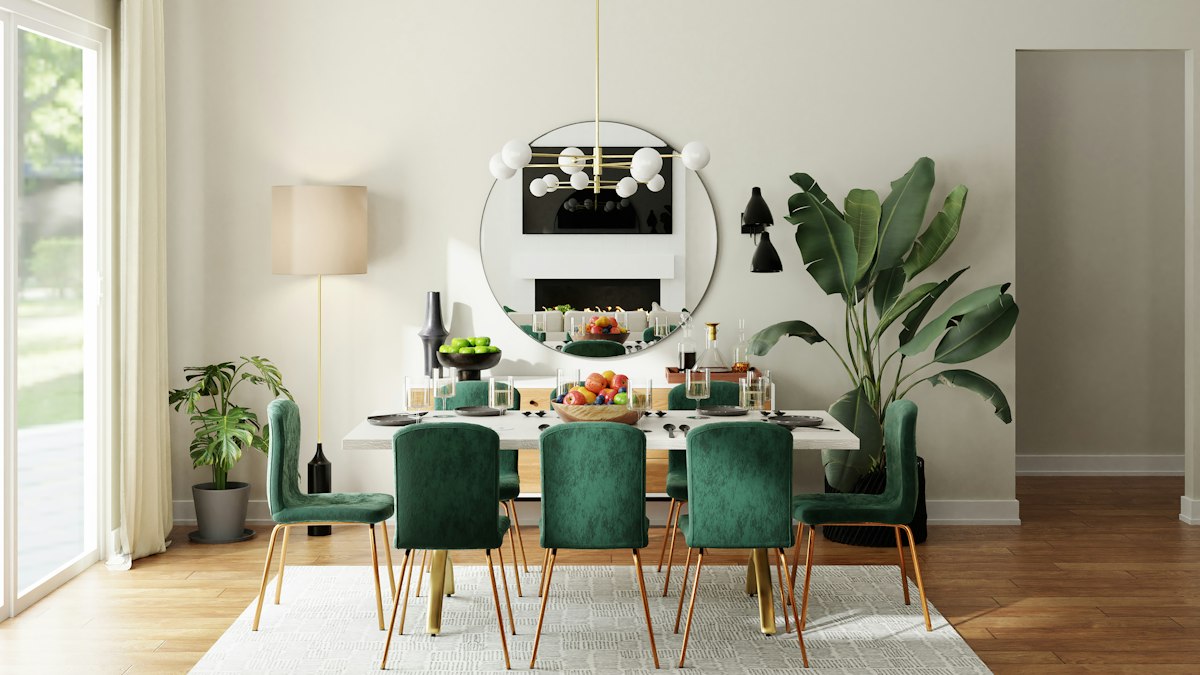
- Chandeliers and pendant lights — suspended from the ceiling, these serve double duty as a design focal point and the room's primary light source. A statement chandelier over a seating area can anchor the entire space.
- Recessed downlights — clean and unobtrusive, these provide even coverage without competing with your decor. They work especially well in rooms with lower ceilings.
- Flush or semi-flush ceiling fixtures — a practical choice when overhead space is limited, available in designs ranging from minimalist to ornate.
The key to great ambient lighting is controlling intensity. We always recommend installing dimmer switches — they let you adjust the mood from bright and energetic during the day to soft and relaxed in the evening. Aim for a warm color temperature between 2700K and 3000K, which creates the inviting warmth that makes a living room feel like home rather than an office.
Task Lighting: Brightening Where You Need It Most
While ambient lighting handles the room at large, task lighting focuses illumination where specific activities happen. Reading, working on a laptop, playing a board game — these all require more concentrated, directed light.
Effective task lighting options:
- Table lamps — placed on end tables or consoles beside seating, these are the most versatile task lights in any living room. A pair of matching table lamps flanking a sofa creates both symmetry and practical reading light.
- Floor lamps — an adjustable arc or swing-arm floor lamp positioned behind a reading chair provides focused light exactly where you need it, without taking up table space.
- Desk or console lamps — if your living room includes a writing desk or workspace nook, a dedicated lamp here keeps the rest of the room's ambiance undisturbed.
When choosing task lighting, look for fixtures that direct light downward or toward a specific zone rather than scattering it across the room. Shades in linen, parchment, or frosted glass soften the output and prevent harsh glare — a detail that separates a thoughtfully designed room from one that merely has enough light.
Accent Lighting: Adding Depth and Drama
Accent lighting is where the artistry comes in. This layer highlights architectural features, artwork, decorative objects, or textured surfaces, drawing the eye and creating visual interest. It's what transforms a well-lit room into a beautifully lit one.
Ways to use accent lighting:
- Picture lights and art lights — mounted above or beside framed artwork, these cast a focused wash of light that makes your pieces come alive, especially in the evening.
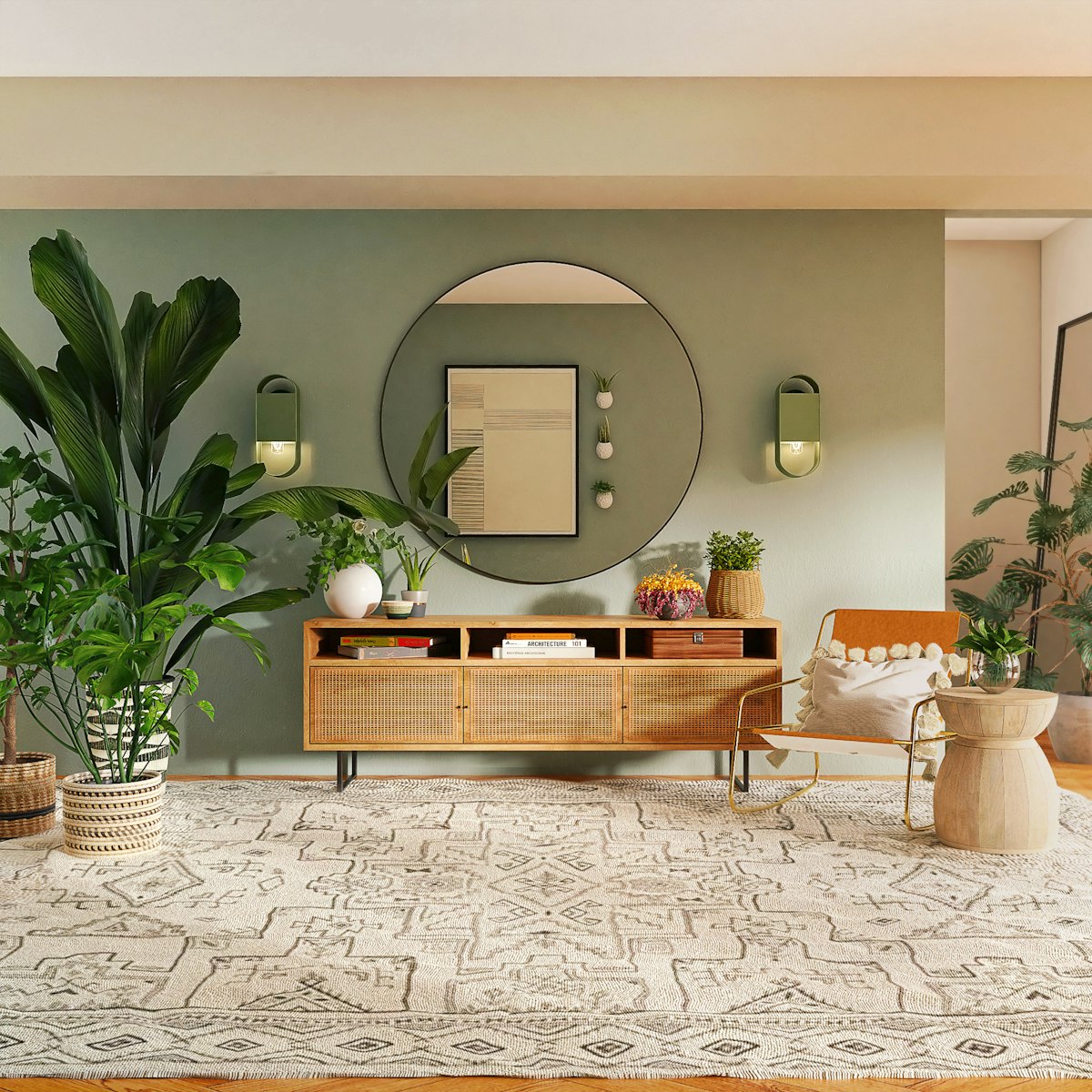
- Wall sconces — positioned flanking a fireplace, mirror, or feature wall, sconces add a layer of warm light at eye level. Install them at 60 to 66 inches from the floor for the most flattering effect.
- LED strip lights — tucked behind floating shelves, inside display cabinets, or along architectural molding, these provide a subtle glow that adds depth without a visible fixture.
- Uplights — small floor-level fixtures aimed upward at a textured wall, a tall plant, or a sculptural piece to create dramatic shadows and height.
"The best lighting tells a story. It guides your eye through the room the way a curator guides you through a gallery." — A principle we share with every client at Joel's.
The general rule is that accent lighting should be about three times brighter than the ambient light in the area it's highlighting. This contrast is what creates the visual hierarchy that makes certain elements stand out.
How to Choose the Right Fixtures for Each Layer
Selecting fixtures isn't just about function — it's about how each piece contributes to the overall design language of your room. Here's a practical framework:
Scale and proportion. A chandelier that's too small for the room will look lost; one that's too large will overwhelm. For a living room pendant or chandelier, a good rule of thumb is to add the room's length and width in feet, then convert that number to inches for the fixture's diameter. A 14-by-18-foot room, for example, suits a fixture around 32 inches wide.
Material and finish consistency. You don't need every fixture to match exactly, but they should share a common thread — warm metals like brass and gold, for instance, or a consistent matte black hardware. This creates cohesion even when mixing styles.
Height variation. The beauty of layered lighting comes from placing sources at different heights: overhead (chandeliers, recessed), mid-level (sconces, table lamps), and low (floor lamps, uplights). This vertical distribution is what gives the room its sense of depth and dimension.
Quality of light. Not all bulbs are created equal. For living rooms, choose bulbs rated between 2700K and 3000K for warmth. Consider the Color Rendering Index (CRI) as well — a CRI of 90 or above renders colors accurately, which matters when you've invested in beautiful furnishings and fabrics.
Browse our lighting and home decor collections to find fixtures that bring each layer to life.
Common Living Room Lighting Mistakes to Avoid
Even with the best intentions, a few common missteps can undermine your lighting plan:
Relying on a single overhead source. One ceiling light creates flat, shadowless illumination that makes even a beautifully furnished room feel uninspired. Always supplement with at least two additional sources at different heights.
Ignoring dimmers. Fixed-brightness lighting can't adapt to the time of day or the activity at hand. Dimmers are one of the most affordable upgrades with the greatest impact on atmosphere.
Placing all lights at the same height. If every source is at ceiling level, you lose the layering effect entirely. Incorporate table lamps, floor lamps, and sconces to distribute light vertically.
Choosing cool-toned bulbs. Bulbs above 4000K cast a blueish, clinical light that clashes with the warmth of wood furniture, rich upholstery, and natural textiles. Stick to warm white for living spaces.
Forgetting about glare. Bare bulbs and clear glass shades can create uncomfortable glare, especially near screens or seating areas. Choose fixtures with diffusers, shades, or indirect light paths.
Overlooking the corners. Dark corners make a room feel smaller and less inviting. A tall floor lamp or a small table lamp in an otherwise shadowed corner can dramatically change how spacious the room feels.
Bringing It All Together
Creating a layered lighting plan doesn't require a full renovation. Start by assessing what you have: most living rooms already have some form of ambient lighting. From there, ask yourself two questions. Where do I need more focused light for activities? And where could a well-placed accent light create more visual interest?
A practical layering checklist:
- Start with ambient — ensure your overhead or general lighting covers the full room evenly with warm, dimmable light.
- Add task lighting — place table lamps or floor lamps beside every seating area where someone might read, work, or relax.
- Introduce accents — choose two or three features to highlight with sconces, picture lights, or LED strips.
- Test at night — the true character of your lighting plan reveals itself after sunset. Walk through the room and adjust placement or brightness as needed.
- Layer in natural light — during the day, sheer curtains and strategically placed mirrors can extend your natural light, reducing reliance on artificial sources.
The goal isn't to flood every corner with equal brightness. It's to create a rhythm of light and shadow that feels natural, inviting, and just a little bit luxurious — the kind of space where you instinctively slow down and settle in.
At Joel's, we believe that beautiful furniture deserves beautiful light. Whether you're drawn to a sculptural chandelier, a pair of hand-finished table lamps, or the subtle warmth of well-placed sconces, the right lighting elevates everything around it. Explore our collections to discover pieces that complete the picture, or reach out to our design team to discuss your vision.